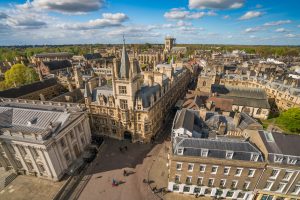


Sustainability is no longer a buzzword in the UK Estates and Facilities sector – it’s a must. For education institutions, not-for-profit organisations, charities, heritage estates, and visitor attractions, the pressure to meet environmental goals is real. But how achievable is true sustainability in these complex, often budget-restricted environments? And what role does talent play in delivering it?
The Net Zero Ambition: Noble, but Challenging
With the UK government’s goal of becoming Net Zero by 2050, many organisations in the not-for-profit and education sectors have made public declarations to align. Universities, landed estates, museums, and charities have published strategies to cut emissions, reduce waste, and invest in renewable infrastructure. But are these goals truly achievable?
In many cases, the ambitions have outpaced budgets, technology readiness, or operational feasibility. Historic buildings with listed status, limited capital funding, and resistance to disruptive change are just a few of the hurdles.
Unique Challenges in the Not-for-Profit and Education Sectors
- Legacy Infrastructure: Many schools, universities, and heritage estates are working with outdated, inefficient buildings that are expensive to retrofit.
- Budget Constraints: Unlike commercial developers, charitable and educational institutions rely on public funds, donations, or grants, limiting large-scale upgrades.
- Stakeholder Complexity: Public scrutiny, diverse governance structures, and risk-averse boards can delay or dilute decisions.
- Skills Gaps: Sustainability often falls to Estates teams already stretched with compliance, maintenance, and service delivery duties.
So How Can Sustainability Actually Be Achieved?
- Data-Driven Planning: You can’t manage what you don’t measure. Conducting full estate carbon audits and tracking usage data is the foundation.
- Phased Implementation: Breaking down Net Zero plans into small, manageable projects such as lighting upgrades, insulation, or smart systems makes action realistic.
- Funding Innovation: Tapping into green finance, grant funding, and public-private partnerships can unlock possibilities.
- Stakeholder Alignment: Embedding sustainability into governance and making it part of broader organisational goals ensures long-term commitment.
- Hire with Purpose: Recruiting Estates professionals with sustainability experience accelerates change and builds internal expertise.
Is True Net Zero Achievable for an Estate?
True Net Zero (no emissions at all) may be impossible for certain estate types, especially those in historic or listed buildings. However, Net Zero Carbon (balancing emissions with offsets and reductions) is within reach. This involves improving operational efficiency and investing in:
- On-site renewables (solar, heat pumps)
- Low-carbon construction and retrofit methods
- Behavioural change campaigns for staff and visitors
- Transport and supply chain emission reductions
The Role (and Risk) of Offsetting
Carbon offsetting – investing in external carbon-saving projects to balance emissions – is widely debated. While it plays a role in Net Zero strategies, over-reliance can be risky:
- It may delay internal action.
- Quality and credibility of offset schemes vary.
- It doesn’t eliminate reputational risk if seen as a ‘cop-out’.
That’s why offsetting should be the last 10%, not the first step.
Why the Right Candidate Makes the Difference
Achieving sustainability in complex estate environments isn’t just about having a strategy – it’s about having the right people to implement it. Candidates with:
- Experience in low-carbon building management
- Knowledge of retrofit technologies and funding routes
- Ability to engage stakeholders and lead behavioural change
- Passion for the environmental mission
…can make or break your estate’s journey to Net Zero.
Final Thought
Sustainability in Estates and Facilities is a journey, not a switch. For education, charity, and not-for-profit sectors, the path may be longer, but it’s not impossible. With the right mindset, funding strategies, and most importantly, the right talent, meaningful change is not only possible – it’s already underway.
Looking to recruit Estates and Facilities professionals with sustainability expertise?